Programme
The GIFT 2026 programme will be announced here. Browse past editions below.
6 and 7 November, 20:00 Supported by Fondation BNP Paribas and the French Ministry of Culture – Direction régionale des affaires culturelles d’Île-de-France.
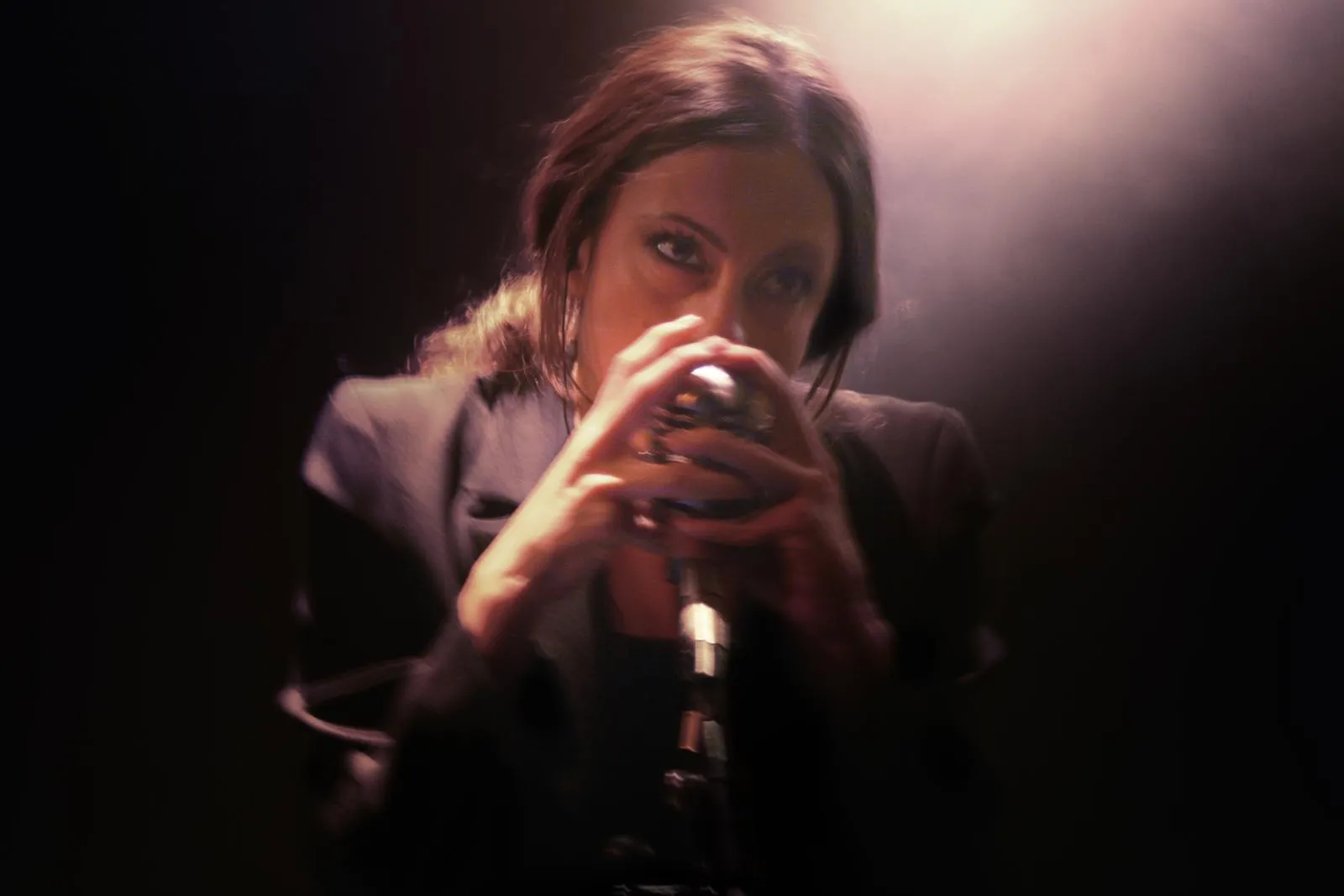
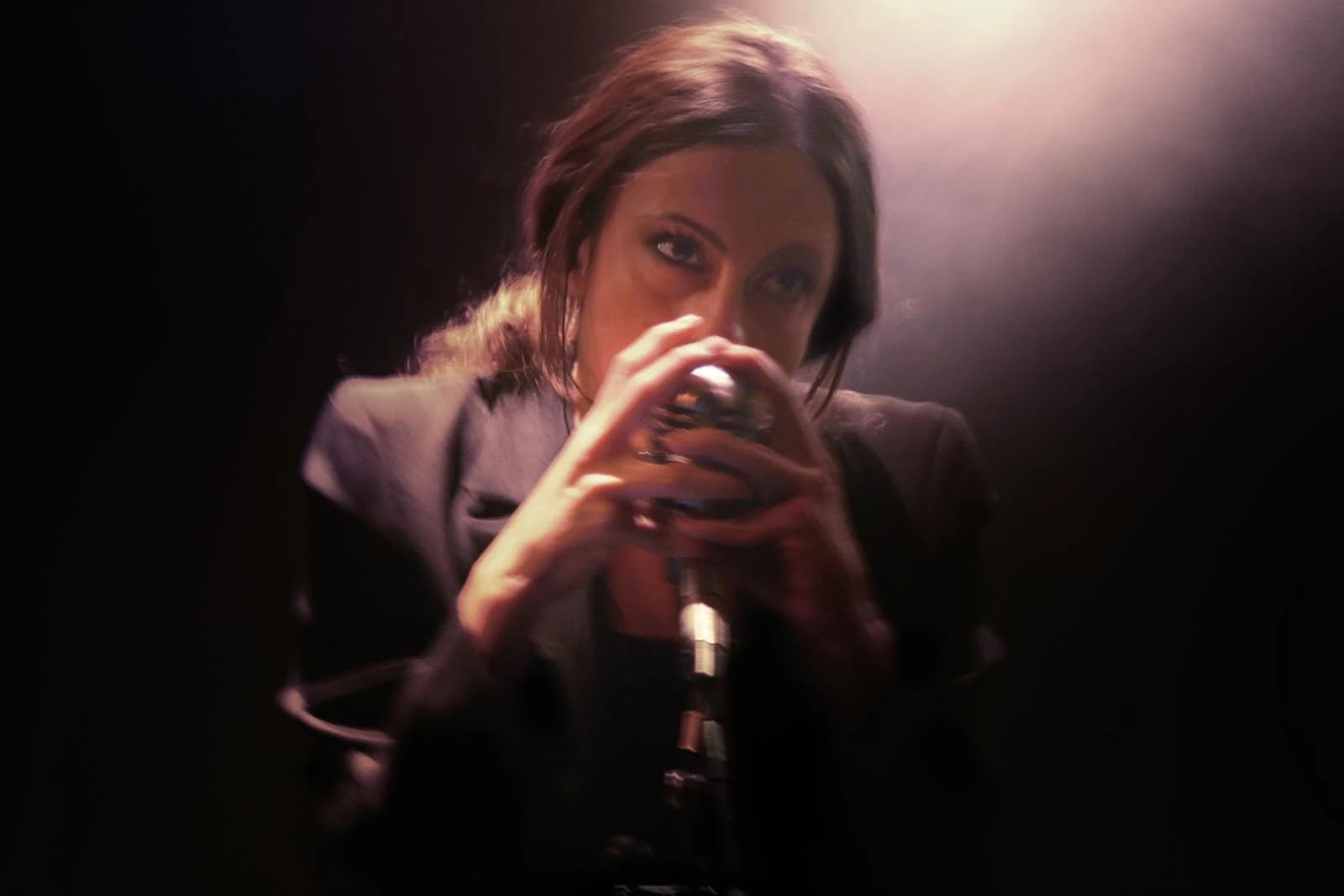
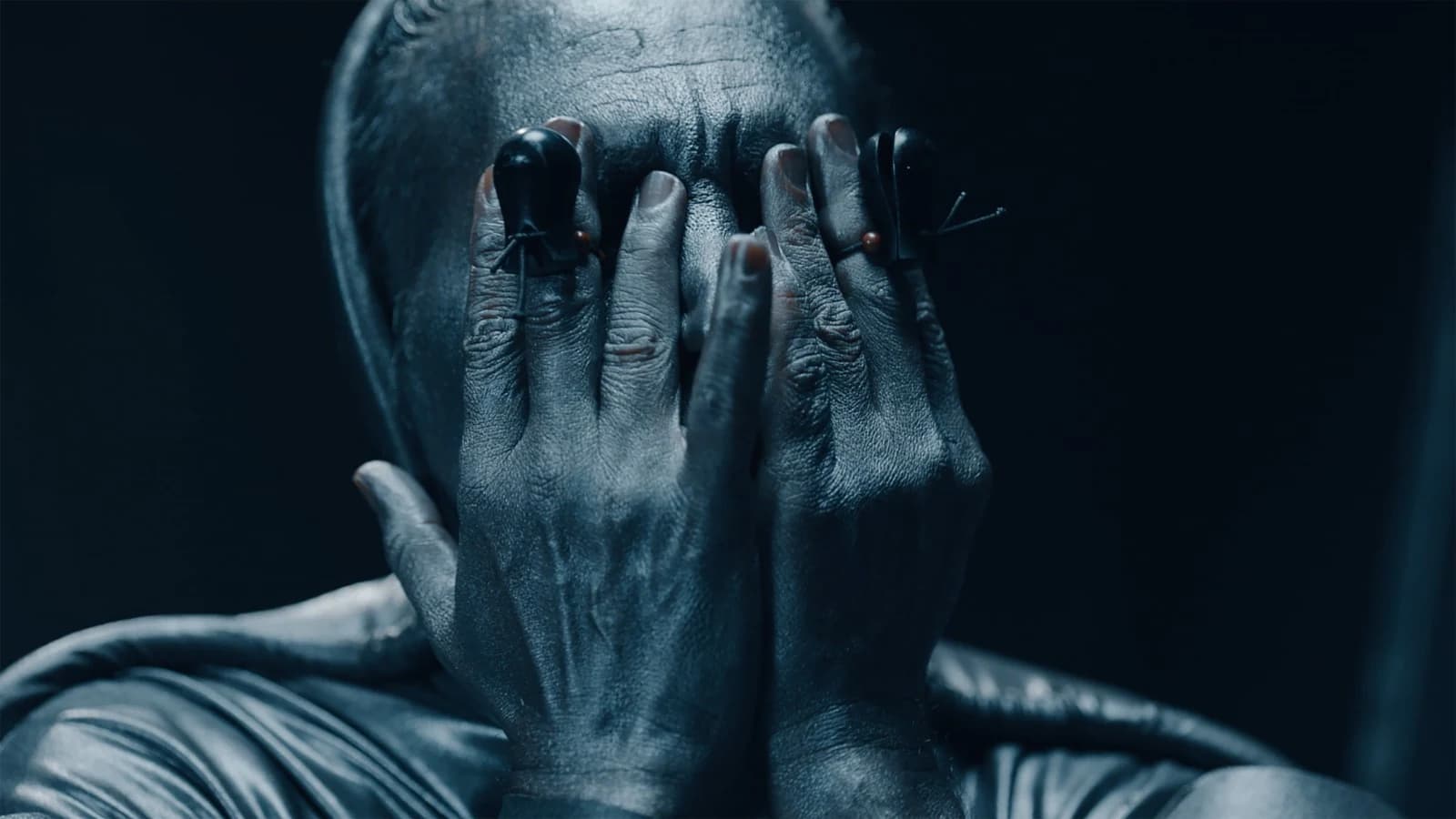
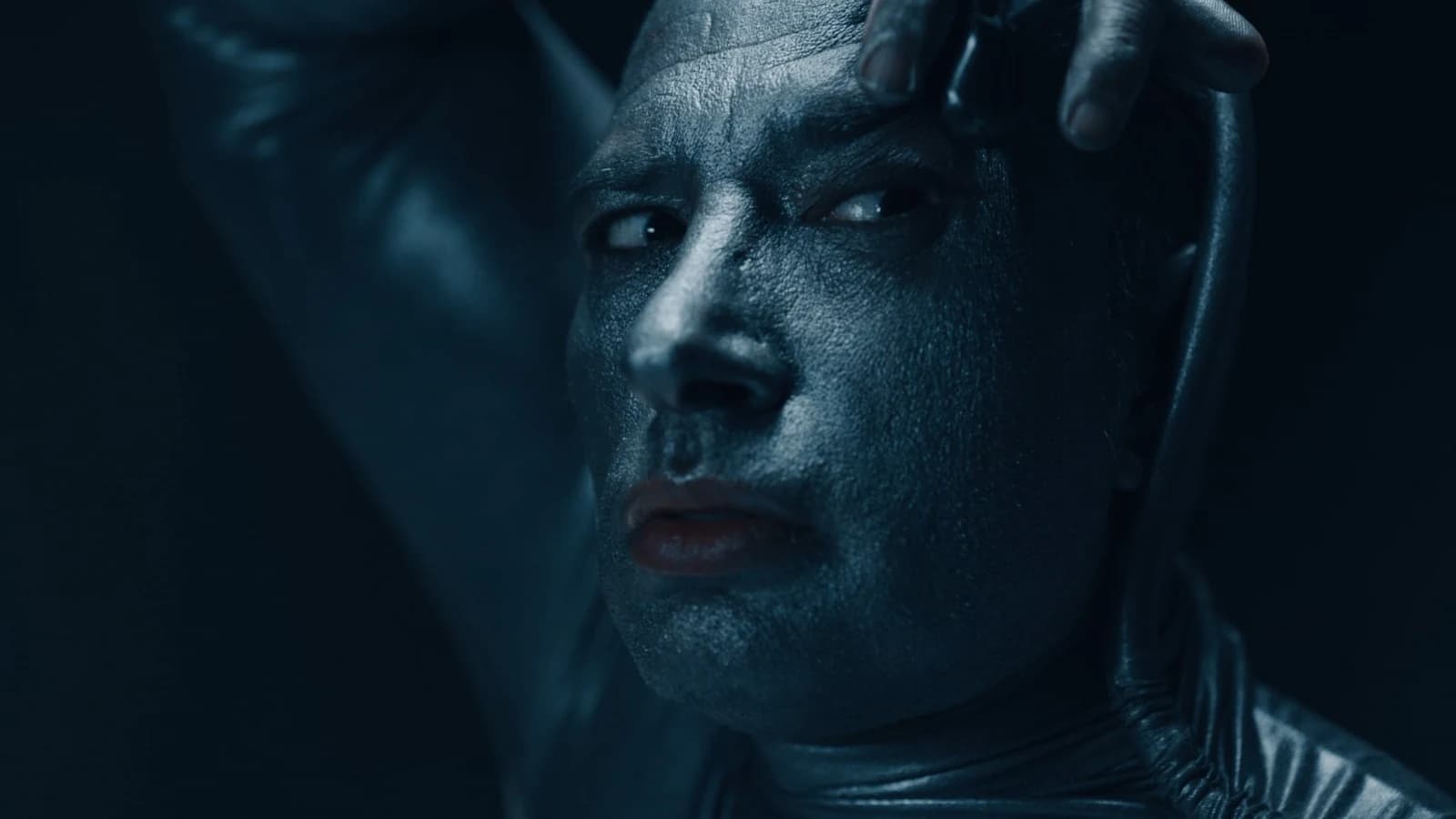
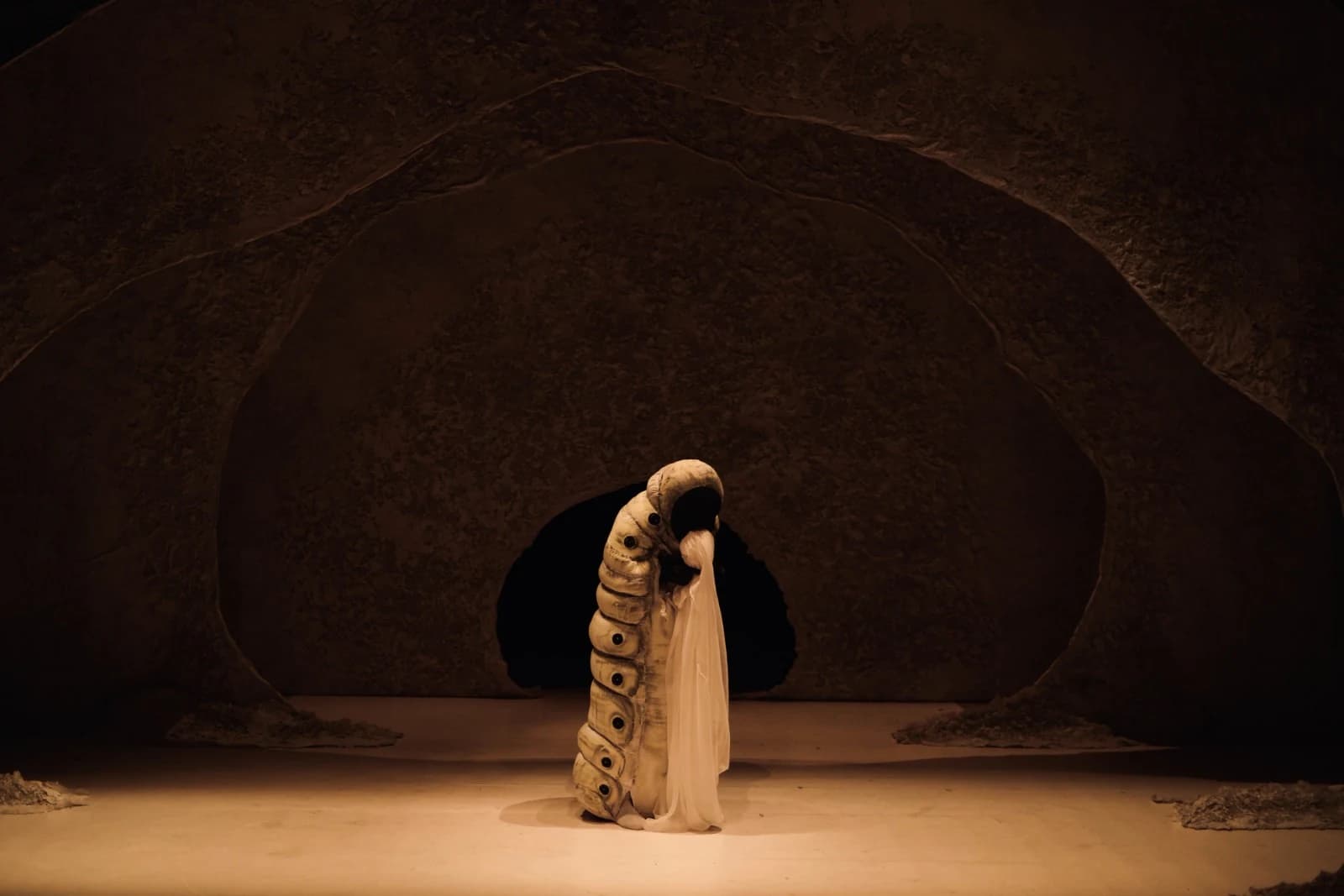
9 November, 20:00 · 10 November, 18:00 Frankenstein, autoritratto d’autrice – Nuova Creatura Based on texts by Mary Shelley Concept, Dramaturgy and Performance: Margherita Saltamacchia Original Live Music: Robin Bressani — electric guitar; Ali Salvioni — percussion Dramaturg: Cristina Galbiati Costume Design: Marianna Peruzzo Lighting Design: Marzio Picchetti Produced by: Teatro Sociale Bellinzona – Bellinzona Teatro and LaTâche21 Production: 2020–2026 World Premiere: 22 October 2020, Teatro Sociale Bellinzona Duration: 60 minutes, no interval Mary Shelley’s life begins with a paradox: her birth comes at the cost of her mother’s life. In 1797, only days after Mary was born, her mother, Mary Wollstonecraft — the radical writer, thinker and pioneering advocate of women’s rights — died. From the very beginning, two opposing forces seem to have become inseparable in Shelley’s world: the creation of life and death, birth and loss. Years later, this very contradiction would lie at the heart of her most famous work. In 1816, at just nineteen, Mary Shelley began writing Frankenstein; or, The Modern Prometheus — the story of a man who assumes the power to create life, only to find himself confronted by the being he has brought into existence. Thus was born one of the most enduring myths in world literature. Yet Frankenstein is more than the story of Victor Frankenstein and his Creature. Margherita Saltamacchia’s production proposes another perspective: what if the novel is also, in some sense, Mary Shelley’s hidden self-portrait? Years later, as a young widow and an established writer, Shelley looked back at the origins of the book that had transformed her life. In the introduction she wrote for the 1831 edition of Frankenstein, she retraced the path that had led her towards literary creation. “My life appeared to me too commonplace a matter,” she wrote. And yet it is precisely these apparently ordinary fragments of experience — a childhood without a mother, love, loss, motherhood, death and the irresistible need to write — that offer a key to reading her work anew. Mary Shelley was writing at a time when intellectual and literary life was defined overwhelmingly by men. Against this background, the central act of Frankenstein — the creation of life — acquires an extraordinary significance. A young woman writes about a man who seeks to create life without a woman. Victor Frankenstein appropriates the power of creation, yet the moment his Creature comes to life, he recoils from the responsibility that creation entails. The novel therefore poses a question that remains strikingly contemporary: is the ability to create something enough to justify its creation? And what responsibility does a creator bear towards what they bring into the world? It is within this hall of mirrors that the production finds its central dramatic territory: Mary Shelley creates Victor Frankenstein; Victor creates the Creature; and the Creature, in turn, irrevocably transforms the life of its creator. Author, creator and creation begin to reflect one another. Frankenstein is therefore no longer simply the story of a monster. It becomes a way of looking back at Mary Shelley herself — at a young woman who transformed profoundly personal experiences of life and death, creation and loss into a universal myth. Margherita Saltamacchia explores this chain of creation: the relationship between Mary Shelley and Victor Frankenstein, the character she created, and, in turn, between Victor and the living being he brings into existence. Through this double reflection, the boundaries between author, creator and Creature become increasingly unstable. Who creates whom? And at what point does a creation begin a life independent of its creator? Critics have described the production as “an intense and personal reinterpretation” of Mary Shelley’s masterpiece — a meticulously crafted performance, attentive to the smallest detail, that draws audiences into the world of Frankenstein and invites them to encounter it anew. For the 2026 production, live music is performed by Robin Bressani and Ali Salvioni. Inspired by the characters of Shelley’s novel and the atmospheres they evoke, the music develops as an artistic language in its own right, remaining in constant dialogue with the performer’s presence on stage.
Newsletter
Join the newsletter for the programme, tickets and news from GIFT.